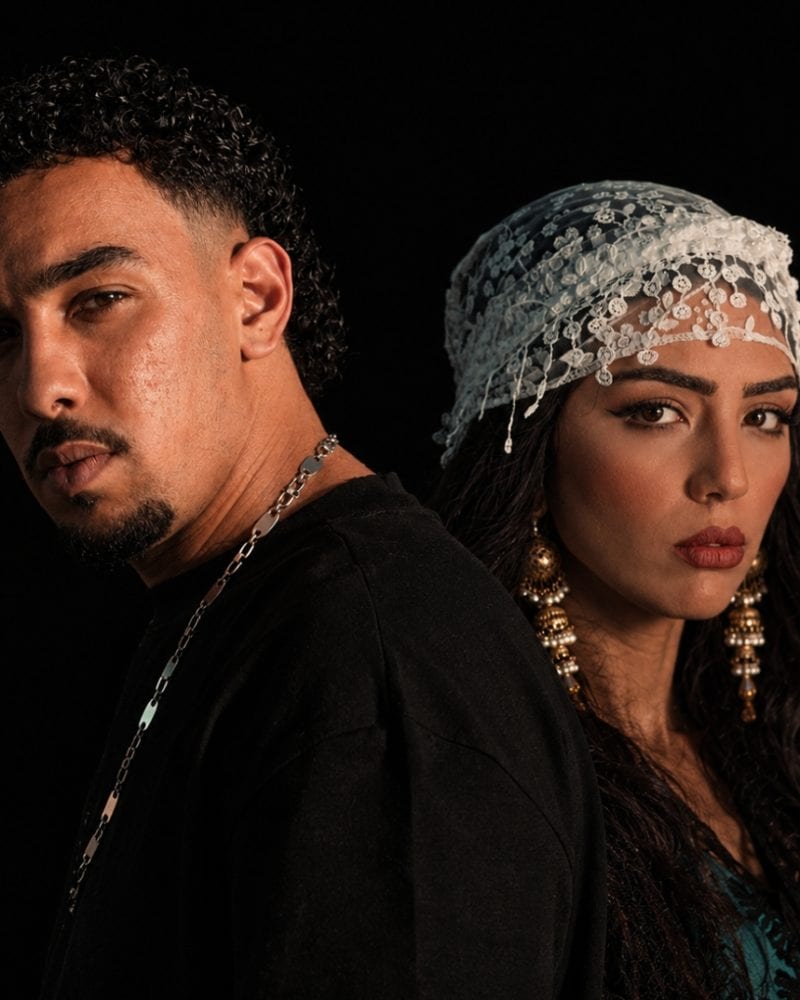
Platinum-selling Haitian producer, DJ and label owner Francis Mercier, Cairo-based, groove-heavy DJ ThatGirl SherryK, and Danish-Egyptian producer, singer and songwriter Ashibah come together on ‘Asmahan’, a house rework built around the 1944 Egyptian classic ‘Ya Habibi Ta‘ala Elhaani’, made famous by legendary Syrian-Egyptian singer and actress Asmahan.
Released in 1944, ‘Ya Habibi Ta‘ala Elhaani’ became one of Asmahan’s signature recordings and a distinctive place in the golden age of Arabic music and cinema. Her recordings drew on the orchestral arrangements and intricate melodic phrasing associated with the era, with the vocal carrying much of the music’s emotional weight. ‘Ya Habibi Ta‘ala Elhaani’ centres on longing and heartbreak, with Asmahan’s delivery moving between restraint and the more dramatic turns that define the song.
For ThatGirl SherryK, the connection began with a chance discovery, as she came across the original during a gym workout around a year ago and found herself returning to it, developing an emotional attachment to the melody and its vocal. Wanting to introduce the recording to a wider audience, she reached out to her childhood best friend and fellow musician Ashibah. The two began working on the idea before bringing in Francis Mercier to help refine the groove and give the production its final shape.
Asmahan’s voice is kept at the centre with her original phrasing supplying the track’s melodic identity, while the production builds a more direct rhythmic framework around it. It is a familiar approach in contemporary house, but the strength of ‘Asmahan’ lies in the contrast between the emotional pull of the vocal and the steadier movement of the beat.
The track opens with layered handclaps and organic percussion, establishing a loose, rolling pulse before the kick and bass settle into the mix. Atmospheric textures sit behind the rhythm, leaving room for the sampled vocal to emerge. The low end is warm and direct, while the percussion retains a slightly loose, human feel that keeps the groove from becoming overly rigid.
As the arrangement develops, the vocal shifts between a melodic lead and shorter, repeated phrases that work almost like percussion themselves. Echoes and delays extend the ends of the lines, allowing fragments of the original to hang in the mix before the rhythm pulls them back into the groove. The production is relatively restrained in its use of these effects, relying on repetition and layering rather than constantly introducing new elements.
The standout moment arrives in the second build-up, when the arrangement begins to stretch the vocal into a more atmospheric passage. The percussion and low end gradually recede, while the sampled phrases are surrounded by expanding reverb and delay trails. As the vocal becomes more distant and the tension rises, the track creates space between the emotional pull of the original recording and the rhythmic drive that has carried it forward. The return of the kick and bass restores the groove without losing that tension, making the transition feel connected to the melody rather than simply a device to set up a drop.
This section is also where the source material’s expressive qualities become most apparent. Asmahan’s ornamented phrasing and melodic turns retain traces of the Arabic musical language that shaped the original, contrasting with the steadier pulse of the house arrangement. The production does not attempt to recreate the full orchestral setting or the improvisational depth of traditional tarab, but it uses the vocal’s emotional character to give the build-up its sense of release.
The track eventually winds down by peeling away layers, allowing the percussion and fading vocal echoes to bring the arrangement towards a close. It is a natural extension of the opening, keeping the focus on the relationship between rhythm and voice.
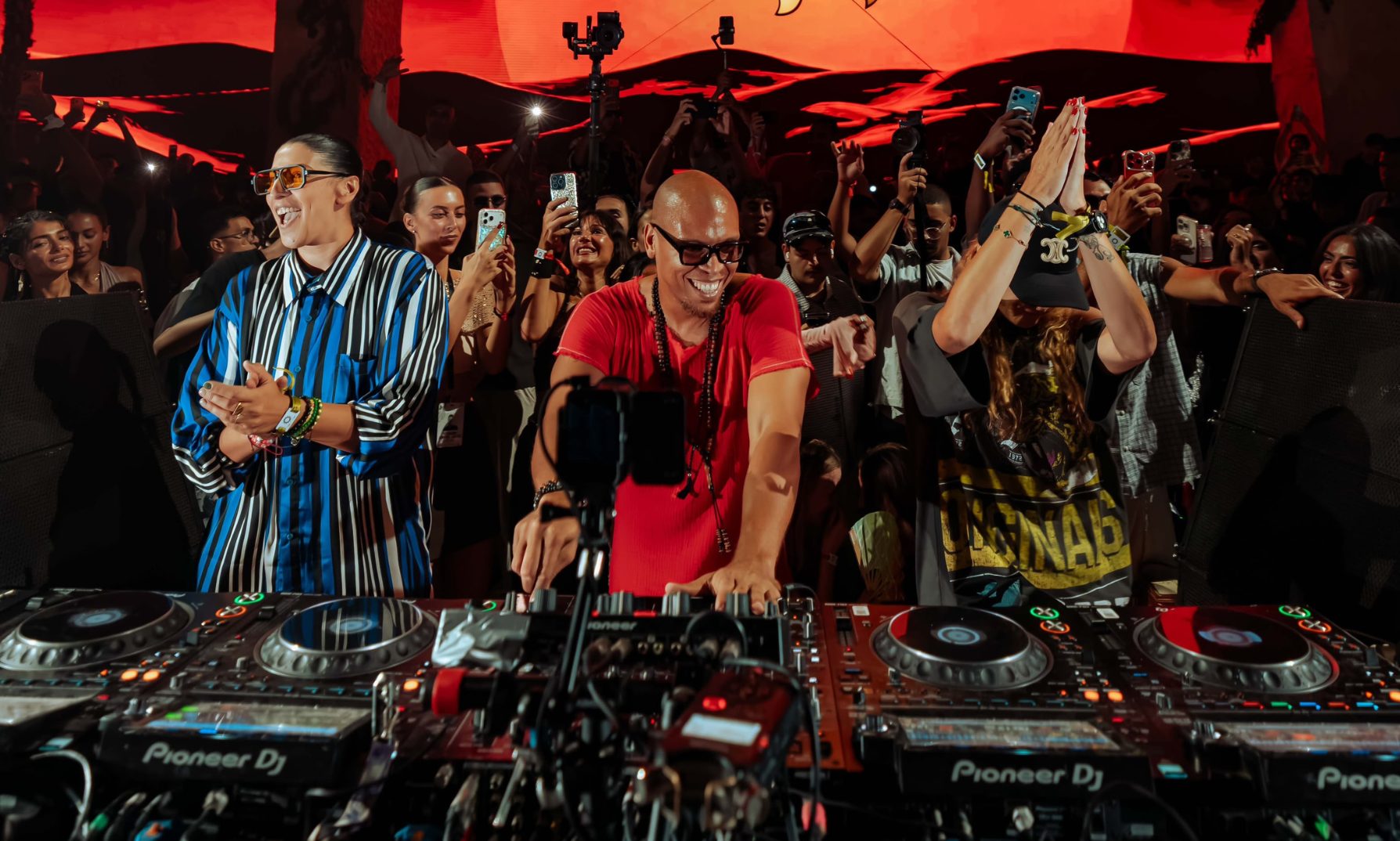
The collaboration also brings together three artists with established connections to international club culture, where Francis Mercier has built a global following through a house sound informed by musical influences from across the diaspora, while Ashibah moves between singing, songwriting, DJing and production. ThatGirl SherryK, meanwhile, has developed a groove-led approach that draws on unexpected samples and nostalgic sounds, connecting her background in Cairo with the wider electronic music circuit. The trio have also shared the stage in Ibiza, where their respective approaches to house music meet in a setting built around long-form sets and dancefloor momentum. With ‘Asmahan’, that shared club experience meets a more specific musical reference point: a recording that has endured for generations, now introduced to a different audience through a contemporary production.
All three have already played to audiences across much of the world, with their paths intersecting at festivals and club shows. Ashibah and SherryK also share a longstanding friendship and co-founded IL Lamma, a women-led record label and creative collective focused on supporting talent from the MENA region and beyond.