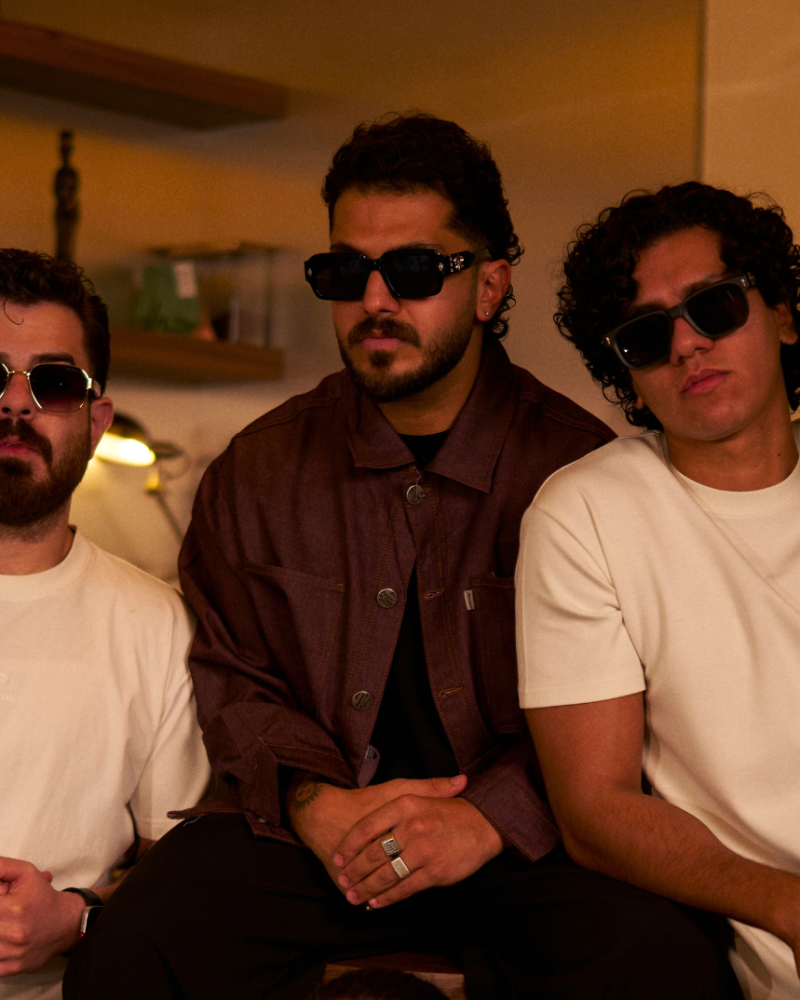
He carried Egyptian rap from subculture to mainstream, and rap culture has never entirely forgiven him for the route.
For a little under a decade now, Wegz has been one of Egypt’s most experimental rap stars. Undeniably, he’s been bringing Egyptian rap from a niche subculture into the mainstream, a move that hasn’t always been praised by rap culture, with many questioning the blurry lines of the movement and the intentions behind it.
While his early years touched on themes of ego trips, hustle, and ambition, proving himself and climbing to the top on tracks like “Dorak Gai.” With sharp, aggressive rapping and complex rhyme schemes, that era felt intense and direct, helping spark a whole movement that pushed people to take a previously undermined genre more seriously.
Up until Aqareb, where Wegz made a surprising shift, with his flow becoming more melodic, more sing-songy, and more accessible to a broader fan base, not just rap listeners. This shift fueled criticism from parts of rap culture who feel he’s sacrificing lyrical complexity for mass appeal. Yet Aqareb still holds onto that bravado, just in a more introspective and melancholic way, exploring the cost of fame, personal sacrifices, and the pressure of success at a young age in a short amount of time.