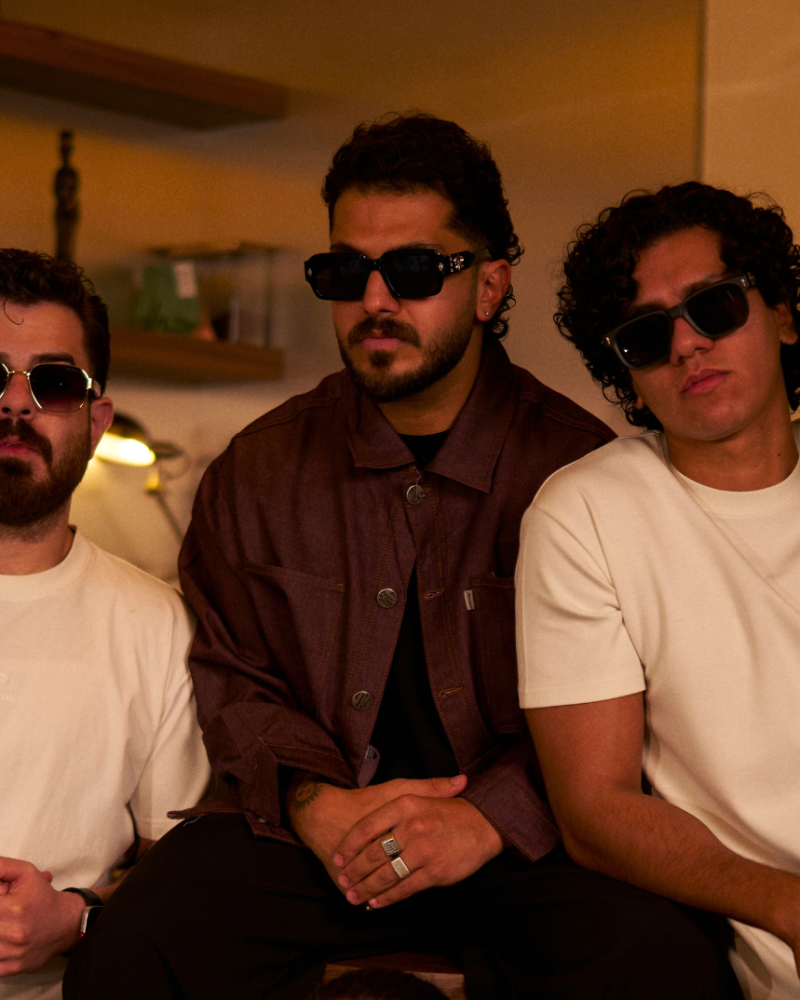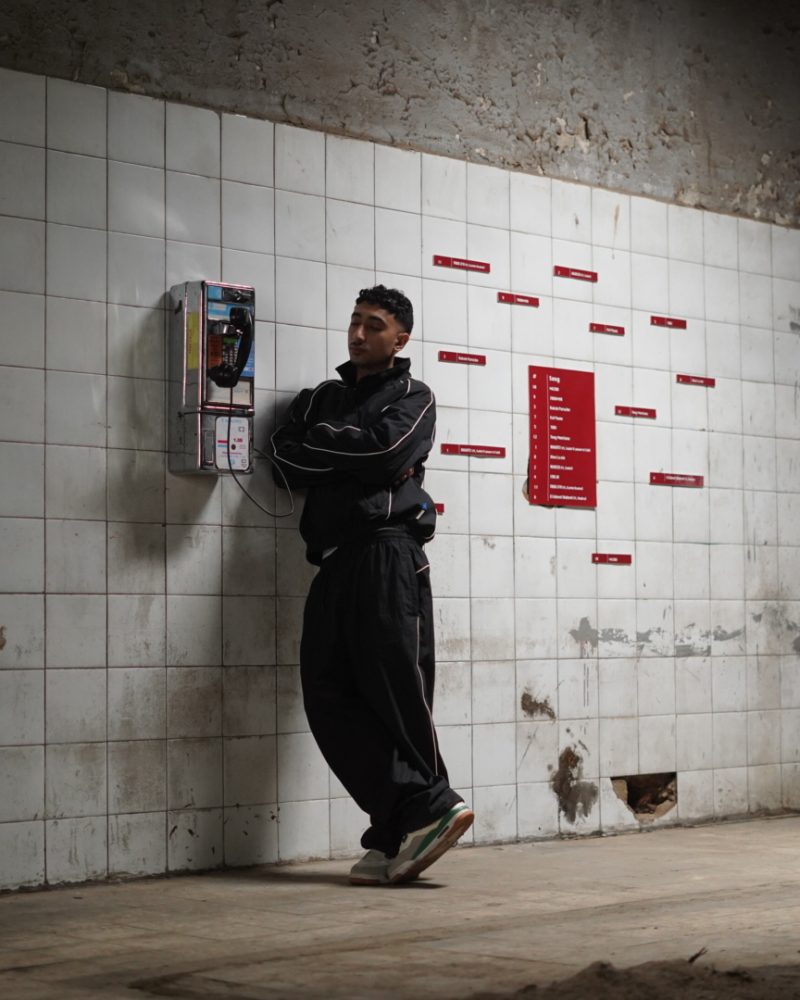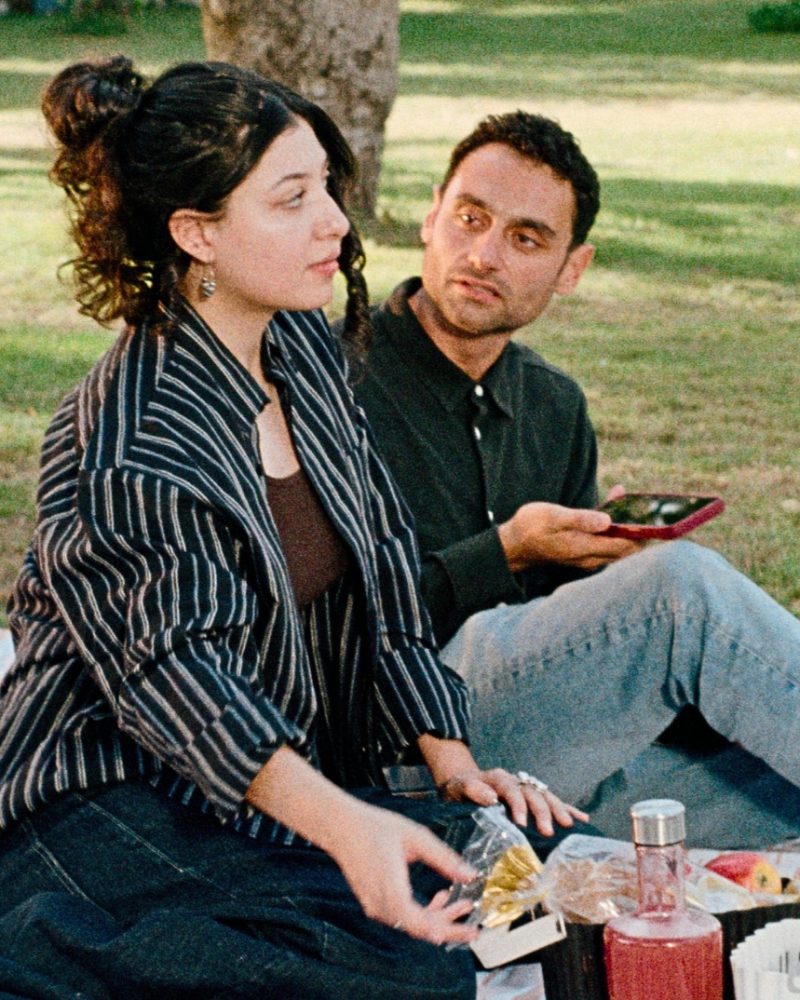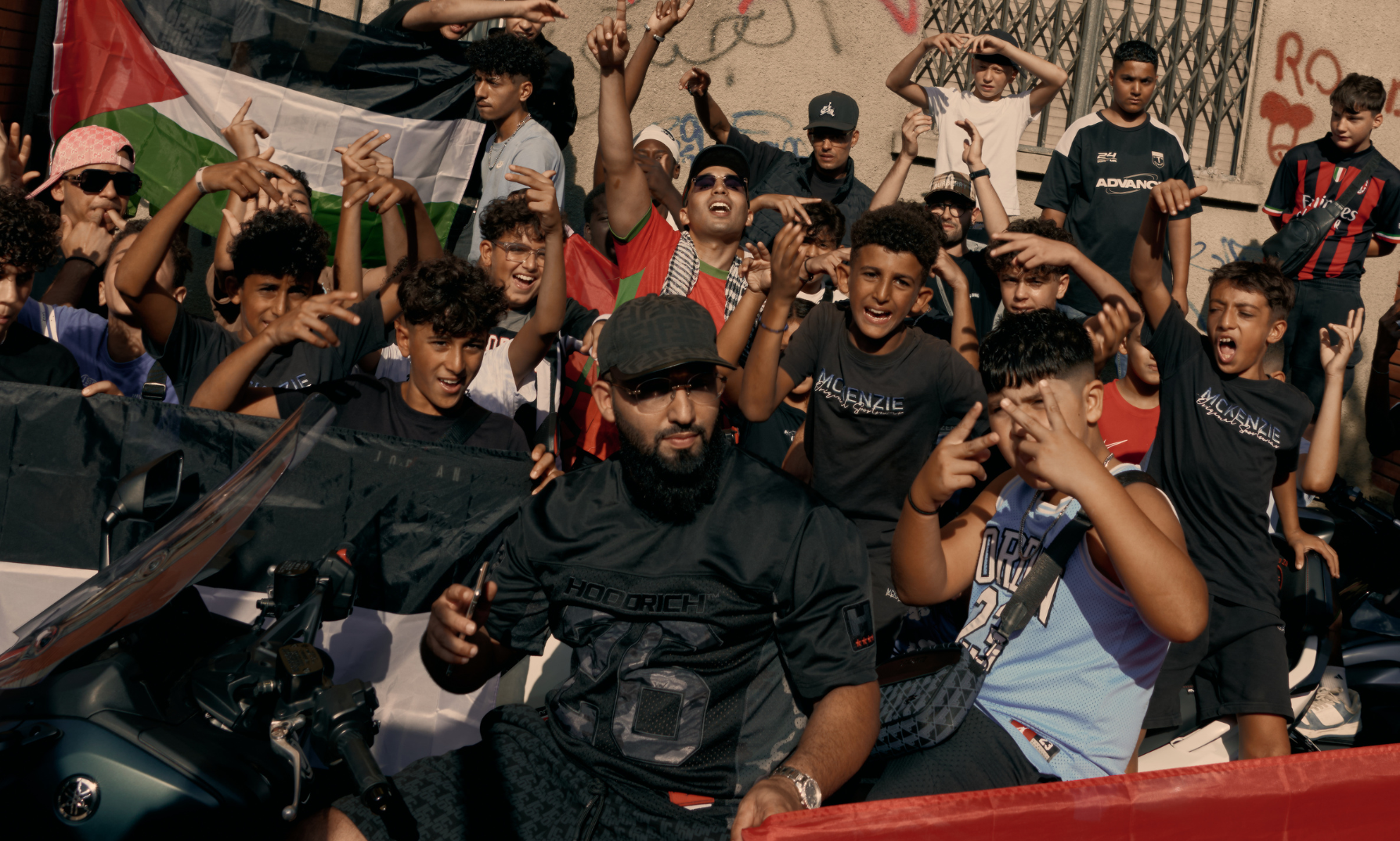
Moroccan collective Mocro Stars return with their second single, ‘Dima Falestini ’, bringing together Baby Gang and Neima Ezza, built around a sample of Mohamed Assaf’s patriotic 2014 track ‘Dami Falastini’. The track carries its recognisable chorus into a contemporary rap setting, pairing the familiar refrain with fast-paced flows and Latin-influenced production.
Originally released in 2014, Assaf’s ‘Dami Falastini’ became closely associated with Palestinian identity and the song’s anthemic refrain; the sample gives the remake an immediate point of recognition, while the heavier low end, quicker percussion, and modern rhythmic structure. The title itself also changes the meaning slightly: Mocro Stars replace “Dami,” meaning “my blood,” with “Dima,” a Moroccan Darija word meaning “always” or “forever,” turning the original phrase into a statement of lasting solidarity.
Baby Gang’s rougher, more forceful delivery sits against Neima Ezza’s more melodic and reflective approach, giving the track a balance between confrontation and emotion. The lyrics address Palestinian suffering and solidarity directly, while the recurring refrain adapts the spirit of the Arabic protest chant “Bil-ruh, bil-dam, nafdik ya Falastin” into an Italian street-rap context. Lines around “Free Palestine” and Palestine “per tutta la vita” frame the message as something lasting rather than momentary, while the use of Darija and Italian places that message within the everyday language of the North African diaspora in Europe.
Mocro Stars group brings together Moroccan rappers based across Europe and within Morocco, although its full lineup has yet to be revealed. Their debut release, ‘Casanegra’, paired French-Moroccan rapper Maes with Moroccan heavyweight ElGrandeToto, establishing the project’s cross-border approach from the start. Baby Gang brings his Milan-based street-rap background to the new single, while Neima Ezza draws from his own experience growing up in Milan’s San Siro district and his roots in the Moroccan diaspora. Together, they place the track between Moroccan and European street culture, using a familiar Palestinian anthem as the meeting point.
For Baby Gang and Neima Ezza, ‘Dima Falestini’ also sits within careers shaped by the realities of migration, marginalisation, and life in Italy’s urban peripheries. Baby Gang, born Zaccaria Mouhib to Moroccan parents, has built a reputation around a raw, often autobiographical approach to Italian rap, while Neima Ezza emerged from Milan’s San Siro alongside the wider Seven 7oo scene.